
Introduction to Landscape Lighting Cable
Landscape lighting cables serve as the backbone of any outdoor lighting system. They connect your lights to the power source, ensuring that each light fixture receives the needed electric current to illuminate your space. They are designed to withstand harsh outdoor conditions and are available in various types and materials to suit different lighting needs and configurations.
In this post, we will delve deeper into the world of landscape lighting cables. We’ll explore the basics, discuss the different types available, and guide you on how to choose the right one for your application.
Basics of Landscape Lighting Cable
At its core, a landscape lighting cable is designed to carry electrical current from the power source to the light fixtures in your outdoor lighting system. It consists of two or more insulated conductors (wires) enclosed in a protective sheathing. The conductors are typically made of copper, known for its excellent electrical conductivity, while the sheathing is made of a durable material like PVC to withstand outdoor conditions.
Landscape lighting cables are rated based on their gauge, which refers to the thickness of the conductor. The gauge determines the amount of electric current the cable can carry safely. Lower gauge numbers indicate thicker wires and higher current capacity. For instance, a 12-gauge cable can handle more current than a 16-gauge cable.
The length of the cable run, the total wattage of your lights, and the voltage of your system will dictate the right gauge for your landscape lighting cable. It's essential to choose the correct gauge to prevent voltage drop, a situation where the lights at the end of a long cable run receive less voltage, leading to dimmer illumination.
Types of Landscape Lighting Cables
There are several types of landscape lighting cables available in the market, each designed for specific applications and environments. The most common types include direct burial cable, low voltage cable, and underwater cable.
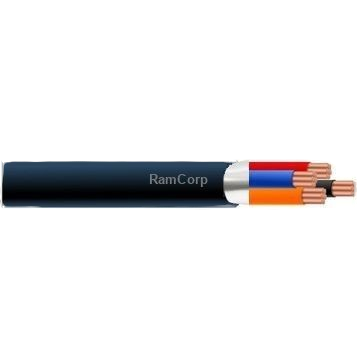
Direct burial cables, as the name suggests, are designed to be buried directly under the ground without the need for conduit. They are heavily insulated and have a robust outer jacket to protect against moisture, soil acidity, and other harsh underground conditions.
Direct burial cables consist of multiple conductors surrounded by a protective insulation layer. The insulation is typically made from polyethylene or PVC/nylon, which provides excellent resistance to water, chemicals, and temperature variations. See more information about Direct Burial Cables
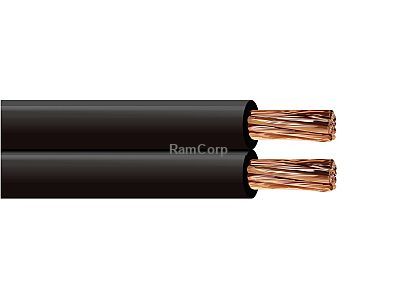
Low voltage cables are used for low voltage lighting systems, which are popular in residential landscape lighting due to their safety and energy efficiency. These cables are designed to handle voltages typically ranging from 12 to 24 volts.

Underwater cables are specially designed for underwater lighting applications, such as illuminating ponds, fountains, or swimming pools. They have a waterproof sheathing to prevent water from reaching the conductors.
Underwater cables are specially designed for underwater lighting applications, such as illuminating ponds, fountains, or swimming pools. They have a waterproof sheathing to prevent water from reaching the conductors.
How to choose the right Landscape Lighting Cable
Choosing the right landscape lighting cable involves considering several factors, including your lighting system's voltage, the total wattage of your lights, the length of your cable run, and the specific environment where the cable will be installed.
As mentioned earlier, the cable gauge is an essential factor to consider. For instance, if you have a low-voltage lighting system with a long cable run and high total wattage, you may need a lower gauge (thicker) cable to prevent voltage drop.
The type of cable is equally important. If you're installing lights in your garden, a direct burial cable would be suitable. If you're setting up a low voltage system, you'll need a low voltage cable. And if you're planning to illuminate your pond or pool, an underwater cable is required.
Always ensure that your chosen cable is rated for outdoor use and can withstand the environmental conditions in your area. For instance, if you live in a region with heavy rainfall, you should opt for a cable with superior water resistance.
Safety tips for using Landscape Lighting Cable
When handling landscape lighting cables, safety should always come first. Here are some safety tips to keep in mind:
Firstly, always turn off the power supply before working on your landscape lighting system. This will prevent accidental electrocution during installation or maintenance.
Secondly, always use cables that are rated for outdoor use and suitable for your specific application. Using the wrong cable can lead to electrical hazards and reduce the lifespan of your lighting system.
Also, ensure that your cables are properly insulated and protected. If you're burying your cables, use direct burial cables and bury them at a safe depth to prevent accidental damage during gardening or other outdoor activities.
Finally, if you're not confident about doing the installation yourself, it's best to hire a professional. They have the necessary skills and experience to ensure a safe and efficient installation.
Where to buy Landscape Lighting Cable
Purchasing your landscape lighting cable from a reputable supplier is crucial to ensure you get high-quality, durable, and safe cables. Here at Ramcorp Wire, we provide a vast selection of landscape lighting cables suitable for various applications.
Whether you need a low voltage cable for your garden lighting, an underwater cable for your pool, or a direct burial cable for your pathway lights, we've got you covered. Our cables are designed to withstand harsh outdoor conditions and provide reliable performance for your landscape lighting system.
Conclusion
Understanding landscape lighting cables is integral to creating a safe, efficient, and stunning landscape lighting system. By choosing the right cable for your needs, you can illuminate your outdoor space beautifully and safely while enhancing the value and security of your property.
Whether you're a homeowner planning to spruce up your garden or a professional landscaper working on a large project, this guide should serve as a valuable resource for you. And remember, if you need high-quality landscape lighting cables, don't hesitate to contact us here at Ramcorp Wire for a quote. We are more than happy to assist you in illuminating the basics of your landscape.

