
About Thermostat Wire
Thermostat wire plays a crucial role in the functioning of your HVAC system. It facilitates the communication between your thermostat and HVAC unit, allowing you to control the temperature in your home. In this article, we will take a look at all the key aspects of thermostat wire, including its types, applications, and installation process. So, let's dive in and unravel the world of thermostat wire!
What is Thermostat Wire?
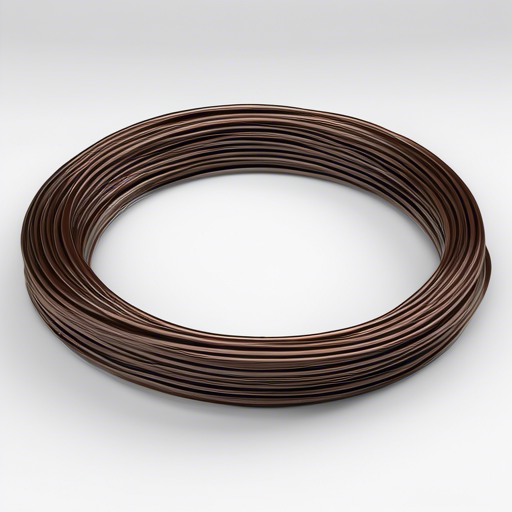
Thermostat wire, also known as thermostat cable, is a type of electrical cable that connects your thermostat to your HVAC system. It consists of multiple conductors, typically ranging from 2 to 8, and is available in different American Wire Gauge (AWG) sizes. The conductors are color-coded to indicate their specific functions, making it easier to install and troubleshoot the wiring.
Types of Thermostat Wire
Thermostat wire comes in various types to suit different HVAC applications. Some of the most common types include:
- Plenum Thermostat Wire: Plenum thermostat wire is specifically designed for installation in plenum spaces, which are the areas in a building used for air circulation. This type of wire meets strict fire safety codes and regulations, ensuring the utmost safety in plenum environments.
- Low Voltage Thermostat Wire: Low voltage thermostat wire is the most commonly used type. It carries a low voltage electrical signal between the thermostat and the HVAC system, ensuring smooth and efficient communication.
Applications of Thermostat Wire
Thermostat wire finds its application in various HVAC systems and environments. Some common applications include:
- Residential Buildings: Thermostat wire is extensively used in homes to connect the thermostat with the heating and cooling systems, ensuring precise temperature control and energy efficiency.
- Commercial Buildings: In commercial settings, thermostat wire enables the control of HVAC systems in large office buildings, shopping malls, hotels, and other commercial spaces.
- Industrial Facilities: Industrial facilities, such as factories and manufacturing plants, rely on thermostat wire to regulate temperature in their production areas, ensuring optimal working conditions.
- Plenum Spaces: Plenum thermostat wire is specifically designed for use in plenum spaces, where it meets strict fire safety codes and regulations.
Choosing the Right Thermostat Wire
When choosing the right thermostat wire for your HVAC system, there are a few factors to consider:
- Number of Conductors: Determine the number of conductors you need based on the complexity of your HVAC system. Thermostat wire is available with 2 to 8 conductors, allowing for different configurations.
- AWG Size: The AWG size of the wire determines its thickness and current-carrying capacity. Consider the power requirements of your HVAC system and choose the appropriate AWG size to ensure safe and efficient operation.
- Plenum Rating: If you are installing the wire in a plenum space, ensure that it has a plenum rating to comply with fire safety codes and regulations.
- Length of Wire: Measure the distance between your thermostat and HVAC unit to determine the required length of wire. It's always a good idea to have some extra length for flexibility during installation.
Installing Thermostat Wire
Installing thermostat wire requires careful attention to detail to ensure proper functioning of your HVAC system. Here is a step-by-step guide to help you with the installation process:
- Turn Off Power: Before starting the installation, turn off the power to your HVAC system to avoid electrical hazards.
- Remove Old Wire: If you are replacing an existing thermostat, carefully remove the old wire from the terminals. Take note of the wire connections for reference during the installation of the new wire.
- Prepare the New Wire: Strip the ends of the new thermostat wire to expose the conductors. Use wire strippers or a sharp knife to remove the insulation, ensuring that you don't damage the conductors.
- Connect the Wire: Connect the conductors of the new thermostat wire to the corresponding terminals on both the thermostat and HVAC unit. Refer to the manufacturer's instructions or wiring diagram for proper connections.
- Secure the Wire: Use cable staples or clips to secure the thermostat wire along its path from the thermostat to the HVAC unit. Make sure the wire is not pinched or damaged during installation.
- Test the Connection: After completing the installation, turn on the power to your HVAC system and test the connection. Ensure that the thermostat is communicating with the HVAC unit and that the temperature control is functioning correctly.
Troubleshooting Thermostat Wire
If you encounter any issues with your thermostat wire, here are a few troubleshooting tips:
- Check Connections: Ensure that all wire connections are secure and properly seated in their respective terminals.
- Inspect for Damage: Check the thermostat wire for any signs of damage, such as cuts, fraying, or exposed conductors. Replace the wire if necessary.
- Verify Compatibility: Double-check that the thermostat wire is compatible with your HVAC system and meets the necessary electrical requirements.
- Consult a Professional: If you are unable to troubleshoot the issue on your own, it's best to consult a professional HVAC technician who can diagnose and resolve the problem.
Conclusion
Thermostat wire is a critical component of your HVAC system, enabling the communication between your thermostat and HVAC unit. By choosing the right type of wire and following proper installation procedures, you can ensure efficient temperature control and optimal performance of your HVAC system. Remember to consult the manufacturer's instructions and seek professional assistance when needed. With the right thermostat wire in place, you can enjoy the perfect temperature in your home or commercial space.
Additional Information:
- Number of Conductors: Thermostat wire is available with 2 to 12 conductors, allowing for different configurations based on the complexity of your HVAC system.
- AWG Sizes: Thermostat wire is available in various AWG sizes, such as 18 AWG, 20 AWG, and 22 AWG, to accommodate different power requirements.
- Plenum Thermostat Cable: Plenum thermostat cable is specifically designed for use in plenum spaces and meets stringent fire safety codes and regulations. It is available in different AWG sizes and conductor configurations.
Disclaimer: The information provided in this article is for informational purposes only and should not be considered professional advice. Always consult a qualified HVAC technician or refer to the manufacturer's instructions for specific guidance on thermostat wire installation and troubleshooting.