
Introduction to LED Cables and Their Importance
The LED lighting market has seen significant technological advancements in recent years, with the advent of Light Emitting Diodes (LEDs) being a prime example. One integral part of this innovative ecosystem that often gets overlooked is LED cables. Simply put, LED cables are the unsung heroes of the LED lighting world. They are the lifelines that power the brilliant luminescence of LED lights. Without them, the lights wouldn't function.
LED cables are crucial for the transfer of electricity from the power source to the LED lights. They ensure the smooth and efficient functioning of the lighting system. LED cables are designed to carry the low voltage supply that LEDs require, making them an essential component in the LED lighting system.
The importance of LED cables extends further than just providing power. These cables also play a vital role in the safety of the entire lighting system. High quality, well-designed LED cables reduce the risk of short circuits and electrical fires. Therefore, understanding the significance of LED cables is the first step in setting up an efficient and secure LED lighting system.
Understanding Low Voltage LED Lighting Systems
Low voltage LED lighting systems have become increasingly popular due to their energy efficiency, long lifespan, and the quality of light they produce. These lighting systems operate at a much lower voltage than traditional incandescent or fluorescent lights. This not only makes them safer to use but also significantly reduces energy consumption, making them an environmentally friendly choice.
The key to understanding low voltage LED lighting systems lies in their operation. These systems use a transformer to step down the standard 120 or 240-volt power supply to a safer and more efficient 12 or 24 volts. This reduced voltage is then carried by LED cables to the LED lights.
The design of low voltage LED lighting systems ensures they are more adaptable and flexible than traditional lighting systems. They can be easily installed in various settings, including homes, offices, and even outdoors. The critical role of LED cables in these systems cannot be overstated. They are responsible for not only powering the lights but also ensuring the system operates safely and efficiently.
The Role of LED Cables in LED Lighting Systems
LED cables serve as the lifeline in LED lighting systems, connecting the power source to the LED lights. They play a critical role in carrying the low voltage power supply that LEDs require. Without these cables, the LED lights would not function, making them an indispensable component of any LED lighting system.
The role of LED cables extends beyond just powering the lights. They are also critical for ensuring the safety of the lighting system. High-quality LED cables are designed to prevent short circuits and electrical fires, providing an added layer of protection to your lighting system.
LED cables also play a crucial role in the overall performance and longevity of the LED lighting system. They are designed to withstand the low voltage supply of LEDs, ensuring the lights function at their optimal level. Additionally, these cables are also resistant to heat, making them durable and long-lasting.
Types of LED Lighting Cables and Wires
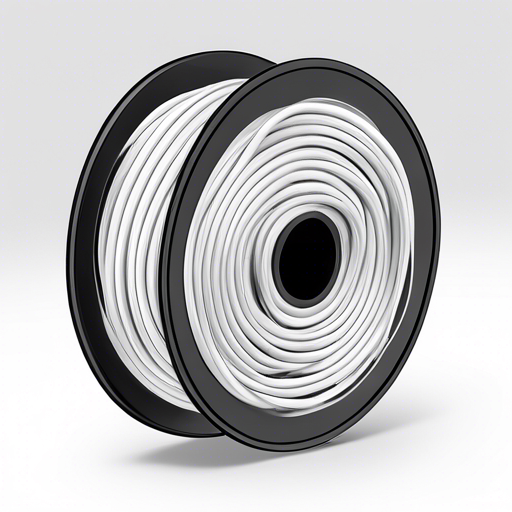
There are several types of LED lighting cables and wires available, each designed to meet specific needs and applications. Some of the most common ones include single core cables, twin core cables, RGB LED strip cables, and LED lighting wires.
Single core LED cables are ideally suited for single color LED strips, while twin core LED cables are perfect for dual color LED strips. RGB LED strip cables, on the other hand, are designed for RGB LED strips, allowing for the transfer of multiple colors.
LED lighting wires are another type of LED cable that are commonly used in LED lighting systems. These wires are designed to carry the low voltage power supply to the LED lights, ensuring they function efficiently and safely.
Choosing the right type of LED cable or wire for your LED lighting system is crucial. It can significantly impact the performance, safety, and longevity of the system.
How to Choose the Right LED Cable for Your LED Lighting System
Choosing the right LED cable for your LED lighting system is crucial. Several factors need to be considered, including the voltage of the LED lights, the length of the cable, and the type of LED cable needed.
The voltage of the LED lights is a critical factor in choosing the right LED cable. For low voltage LED lighting systems, cables designed to handle low voltage supply are needed. These cables ensure the lights receive the correct voltage, ensuring they function efficiently and safely.
The length of the cable is another important factor. The longer the cable, the greater the voltage drop. Therefore, for longer cable lengths, thicker cables are recommended to ensure the lights receive the correct voltage.
The type of LED cable needed also depends on the type of LED lights being used. For instance, single color LED strips require single core cables, while RGB LED strips require RGB LED strip cables.
Troubleshooting Common LED Cable Issues
Despite their importance in LED lighting systems, LED cables can sometimes encounter issues. Some common problems include flickering lights, lights not turning on, and short circuits. However, with some basic troubleshooting, these issues can be easily resolved.
Flickering lights can often be a sign of a poor connection between the LED cable and the LED lights. This can be resolved by checking the connections and ensuring they are secure. If the lights are still flickering, it may be an issue with the cable itself. Replacing the cable with a new one can often resolve this issue.
If the lights are not turning on, the issue could be with the power supply or the LED cable. Checking the power supply and ensuring it is working correctly is the first step. If the power supply is functioning correctly, the issue may be with the LED cable. Replacing the cable can often resolve this issue.
Short circuits can be a sign of a damaged LED cable. If a short circuit occurs, it is crucial to replace the cable immediately to prevent further damage to the LED lighting system.
Safety Precautions When Handling LED Cables and Wires
Handling LED cables and wires requires certain safety precautions to prevent any accidents or damage to the lighting system. Always ensure the power supply is turned off before handling LED cables. This can prevent any electrical shock or short circuit.
When installing LED cables, ensure they are securely connected to the power supply and the LED lights. Loose connections can lead to short circuits and damage to the lighting system.
Always use LED cables that are designed for the voltage of the LED lights. Using cables that are not designed for the correct voltage can lead to overheating and damage to the lighting system.
Whenever possible, wear safety gloves when handling LED cables and wires. This can provide an added layer of protection against any potential electrical shocks.
Conclusion: The Future of LED Lighting with LED Cables and Wires
In conclusion, LED cables play a crucial role in low voltage LED lighting systems. They not only power the lights but also ensure the safe and efficient operation of the lighting system. With the increasing popularity of LED lighting, the importance of LED cables is set to increase even further.
The future of LED lighting looks bright with LED cables and wires. As technology continues to evolve, we can expect to see even more advancements in LED cables, improving their performance, safety, and efficiency. Whether it's for your home, office, or any other setting, ensure you choose high-quality LED cables for your LED lighting system.
Where to Buy Quality LED Cables and Wires
Quality LED cables and wires are crucial for the efficient and safe operation of LED lighting systems. Therefore, it's essential to buy them from a reliable and reputable source. Ramcorp Wire & Cable offers a wide range of high-quality LED cables and wires designed for various applications. Contact us for all your LED cable and wire needs.
Disclaimer: This article is provided for informational purposes only and is not installation advice. Installing wire & cable can be dangerous and pose a risk of possible electric shock or other hazards. Consult a licensed professional for installation advice. Images are for illustration purposes and may not reflect actual installed products.