
Understanding The Role of Tracer Wire
Tracer wire is an essential component in the field of utilities detection. It plays a crucial role in identifying and locating underground utilities such as water pipes, natural gas pipes, fiber optic cables, sewer pipes, and electrical lines. This article aims to explore the power behind tracer wire and shed light on the secrets of reliable utilities detection.
Importance of Reliable Utilities Detection
Accurate and reliable utilities detection is of paramount importance in various industries, including construction, civil engineering, and infrastructure development. Failure to detect underground utilities can lead to disastrous consequences, including costly damages, project delays, and even safety hazards. Tracer wire acts as a lifeline, enabling professionals to accurately locate and identify underground utilities, ensuring safe and efficient operations.
Understanding the Types of Tracer Wire
Tracer wire comes in various types, each designed to cater to specific utility detection needs. Water pipe tracer wire (blue color) is used to locate underground water lines, while natural gas pipe tracer wire (purple color) helps identify gas pipes. Fiber optic tracer wire (orange color) is used to detect fiber optic cables, which are crucial for modern communication systems. Sewer pipe tracer wire (green color) is employed to locate sewer lines, and electrical lines (red color) tracer wire is used to identify underground electrical cables. Each type of tracer wire is tailored to provide accurate and reliable detection for its respective utility.
How Tracer Wire Works in Utilities Detection
Tracer wire works by using a conductive material, often made of copper, aluminum, or copper covered steel that is attached to or buried alongside the underground utility. When a detection device, such as a specialized locator, is used, it emits a signal that can be picked up by the tracer wire. This signal allows professionals to accurately locate and trace the path of the underground utility, providing valuable information for maintenance, repairs, and construction projects.
The Benefits of Using Tracer Wire in Utilities Detection
The use of tracer wire offers several benefits in utilities detection. Firstly, it enhances safety by providing accurate information about the location of underground utilities, allowing professionals to avoid accidental damages during excavation or construction. Secondly, it improves efficiency by reducing the time and effort required to locate and identify utilities. Tracer wire also minimizes the need for destructive digging, as it provides precise information about the depth and direction of underground utilities. Lastly, it saves costs by preventing damages to utilities, which can be costly to repair and may cause project delays.
Best Practices for Installing Tracer Wire
Installing tracer wire requires careful planning and adherence to best practices. The first step is to determine the type of tracer wire needed based on the utility being detected. Next, the tracer wire should be installed parallel to the underground utility. It is crucial to maintain the integrity of the tracer wire during installation, avoiding any damage that could compromise its functionality. Lastly, inspections and maintenance should be conducted regularly to ensure the tracer wire remains in optimal condition for accurate utilities detection.
Common Challenges and Solutions in Tracer Wire Installation
Tracer wire installation can come with its fair share of challenges. One common challenge is the risk of damage during excavation or construction activities. To mitigate this risk, it is essential to clearly mark the location of the tracer wire and provide adequate training to personnel involved in the project. Another challenge is the potential for corrosion, especially in areas with high moisture or corrosive soil. Using corrosion-resistant materials can help overcome this challenge. Additionally, ensuring proper insulation and protection of the tracer wire can prevent damage caused by external factors.
Repurposing Water Lines with Tracer Wire
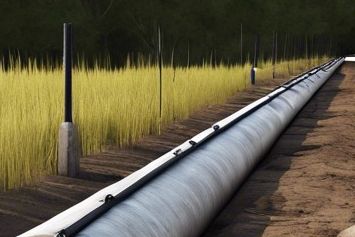
Tracer wire can also be utilized for repurposing water lines. By installing tracer wire alongside existing water lines, professionals can easily identify and trace the path of these lines, making it easier to repurpose them for alternative uses. This repurposing can be beneficial in urban areas where space is limited or in situations where the existing water lines can serve additional purposes, such as fire suppression systems or irrigation.
The Future of Tracer Wire Technology
As technology continues to advance, so does the tracer wire technology. Innovations such as improved materials, wireless connectivity, and advanced signal detection systems are shaping the future of tracer wire. These advancements will further enhance the accuracy, efficiency, and reliability of utilities detection, making it easier than ever to locate and identify underground utilities.
Conclusion
Tracer wire is a powerful tool in the field of utilities detection. Its ability to accurately locate and trace the path of underground utilities is essential for safe and efficient operations in various industries. By understanding the different types of tracer wire, how it works, and the best practices for installation, professionals can harness its power to ensure reliable utilities detection. As technology advances, the future of tracer wire looks promising, with continued improvements that will further enhance its capabilities. At Ramcorp Wire & Cable, we offer a range of several high-quality tracer wire products. Contact us for all your wire and cable needs.
Thanks for reading,
DR
Disclaimer: This article is provided for informational purposes only and is not installation advice. Installing wire & cable can be dangerous and pose a risk of possible electric shock or other hazards. Consult a licensed professional for installation advice. Images are for illustration purposes and may not reflect actual installed products.