
Introduction
Electrical cables are an integral part of our daily lives, yet many of us may not fully comprehend their importance or intricacies. These conduits of power and data facilitate the smooth functioning of our homes, offices, factories, and cities, powering our appliances, lighting, heating, and communication devices. Understanding their function, structure, and types can provide us with valuable insights into their applications and the considerations involved in their selection.
Electricity is a form of energy that flows through wires made of conductive materials such as copper or aluminium. These wires, enclosed in protective insulation, form what we know as electrical cables. The insulation is crucial as it prevents the leakage of current, thereby ensuring safety and efficiency of power transmission. In essence, electrical cables serve as the veins and arteries of any electrical system, carrying power from its source to the point of use. Although Electrical cables can be higher in voltage, they typically range from 300-1000 volts.
In this article, we will delve into the world of electrical cables, exploring their diversity in types and structures, their material composition, and their myriad uses. We will also provide you with a guide on how to choose the right cable for your specific needs.
Understanding the Structure of Electrical Cables
Delving deeper into the structure of electrical cables, one can appreciate their complex yet efficient design. The core of an electrical cable consists of one or more conductors, which carry the electrical current. These conductors are typically made of copper or aluminium due to their high conductivity.
The conductors are surrounded by an insulating layer, which serves to prevent current leakage and protect the conductors from physical damage. The insulating material varies depending on the cable type and application, but common materials include PVC, rubber, and Teflon.
Cables with more than one conductor are known as Multi-conductor cables which have multiple insulated conductors bundled together, allowing the simultaneous transmission of multiple signals or power levels. These cables are common in industrial or commercial settings.
Material and Composition of Electrical Cables
The performance of an electrical cable greatly depends on its material composition. As mentioned earlier, the conductors are usually made of copper or aluminium, chosen for their excellent electrical conductivity. Copper, being more conductive and heat resistant, is typically used in higher-end cables, while aluminium, being lighter and cheaper, is used in lower-cost cables.
The insulation material plays a critical role in the cable's safety and performance. PVC, or polyvinic chloride, is a common choice due to its excellent insulation properties, resistance to wear and tear, and affordability. Rubber, another common insulator, is flexible and resistant to weather conditions, making it suitable for outdoor cables. Teflon, although more expensive, offers superior heat resistance and electrical properties, making it ideal for high-performance cables.
The shielding material, often a layer of conductive foil or braid, is crucial for data cables. It serves to prevent electromagnetic interference from distorting the data signals. The outer jacket, typically made of PVC, rubber, or a similar material, provides physical protection and colour coding for easy identification.
How to Choose the Right Electrical Cable*
Choosing the right electrical cable for a specific application can be a complex task, requiring a thorough understanding of the cable's specifications and the application's requirements. Key factors to consider include the type of cable, the conductor material, the insulation material, the shielding, if required, and the cable rating.
The type of cable depends on the application. For instance, single-conductor cables are suitable for residential wiring, while multi-conductor cables are ideal for industrial applications.
The conductor material, usually copper or aluminium, affects the cable's conductivity and heat resistance. The insulation material impacts the cable's safety and durability. A shielded cable may be necessary if the cable is to carry data signals in an environment with potential electromagnetic interference.
The cable rating, which includes voltage rating, current rating, and temperature rating, must match the application's requirements. Inadequate ratings can lead to overheating, electrical failures, and safety hazards.
Examples of Electrical Cable
SOOW Cable
SOOW cable is a versatile and durable type of portable power cable commonly used in various industrial and commercial applications. The acronym "SOOW" breaks down the cable's construction: "S" stands for Service, "OO" refers to Oil Resistance, and "W" signifies Water Resistance. This type of cable is designed to withstand harsh environmental conditions, making it suitable for outdoor use.
It is available in various sizes, voltages, and configurations to accommodate current requirements, offering a versatile solution for a wide range of power distribution needs. SOOW cable has a voltage rating of 600v. However, a 300v version known as SJOOW cable ("J" stands for junior) is also available.
SOOW cables are constructed with stranded copper conductors for flexibility and efficient power transmission. The insulation and jacket materials are robust, providing resistance against oil, water, chemicals, and abrasion. This makes SOOW cable particularly well-suited for applications where flexibility and resilience are essential, such as in construction sites, industrial machinery, and temporary power installations.
Frequently Purchased SOOW & SJOOW Cables:
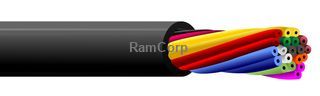
10/12 SOOW Power Cord, 600V, 90C UL
-
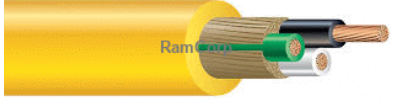
12/3 SJOOW Yellow Power Cord, 300V, 90C UL
See other Portable Cord cables
VNTC Cable
VNTC cable, which stands for Vinyl Nylon Tray Cable, is a type of electrical cable commonly employed in industrial settings for power and control applications. This cable is designed for use in cable trays, a system that organizes and supports electrical cables in various industrial and commercial environments. The "Vinyl Nylon" in VNTC refers to the cable's insulation and jacket materials, which provide durability, chemical resistance, and protection against mechanical stress.
The construction of VNTC cable typically includes stranded copper conductors, enhancing flexibility for ease of installation and routing. The vinyl insulation adds a layer of electrical insulation, while the nylon jacket contributes to the cable's overall robustness, making it suitable for harsh conditions. VNTC cables are often employed in settings such as manufacturing plants, refineries, and chemical processing facilities, where they can withstand exposure to oils, chemicals, and other environmental challenges.
With its versatility and reliability, VNTC cable is a go-to choice for applications requiring power and control cabling within cable trays, offering a dependable solution for industrial electrical systems.V
Frequently Purchased VNTC Cables:
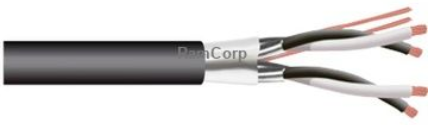
16/12 Pairs VNTC Individual & Overall Shielded Pairs Instrumentation Cable, 600V
-

18/1 Pair VNTC Overall Shield Instrumentation Cable, 600V
-
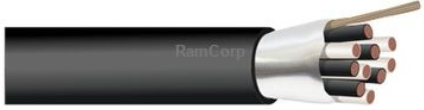
16/3 Pair VNTC Overall Shield Instrumentation Cable, 600
See other Tray Cables
THHN Cable
THHN cable, which stands for Thermoplastic High Heat-resistant Nylon-coated, is a type of electrical wire widely used in building wiring and power distribution applications. The acronym breaks down the key characteristics of the cable's construction. The "T" denotes the thermoplastic insulation, providing electrical insulation for the conductors. The "HH" signifies the high heat resistance of the cable, allowing it to withstand elevated temperatures without compromising its performance. The "N" stands for the nylon coating, which enhances the cable's durability, protection against abrasion, and resistance to various environmental factors.
THHN cable is known for its versatility and is commonly installed in conduit systems for both indoor and outdoor electrical wiring. The combination of thermoplastic insulation and nylon coating makes THHN cable suitable for a wide range of applications, from residential wiring to commercial and industrial settings. It is available in various sizes and colors, providing flexibility for different voltage and current requirements. THHN cable is recognized for its reliable electrical performance and durability, making it a popular choice for a variety of wiring projects.
Frequently Purchased THHN Cables

THHN Wire AWG 1 Stranded
THHN Wire AWG 250 MCM Stranded
THHN Wire AWG 750 MCM Stranded
See other Building Wire
DLO Wire
DLO wire, or Diesel Locomotive Cable, is a specialized type of electrical cable designed for use in mobile and industrial applications where flexibility and durability are paramount. DLO wire is commonly utilized in the power systems of diesel-electric locomotives, as well as in other heavy-duty equipment such as mining machinery, oil rigs, and various mobile construction units. The construction of DLO wire typically includes finely stranded tinned copper conductors, providing both flexibility and optimal conductivity.
One of the key features of DLO wire is its robust insulation and jacketing materials, which are resistant to oils, chemicals, and abrasion. This makes DLO wire well-suited for the demanding environments where it is commonly employed. The cable is often specified for applications that involve frequent movement or flexing, as it can maintain electrical integrity under these conditions.
DLO wire plays a critical role in powering mobile and heavy-duty equipment, offering a reliable and durable solution for electrical connections in dynamic settings. Its ability to withstand harsh conditions makes it an essential component in applications where other types of cables may be susceptible to wear and degradation over time.
Frequently Purchased DLO Wire:

DLO WIRE 1111 MCM CABLE
DLO WIRE 2/0 AWG
DLO WIRE AWG 10 GAUGE
See other Mining Cables
Conclusion
Understanding electrical cables is crucial for selecting the right cable for your needs and ensuring safe and efficient power and data transmission. These conduits of power and data are diverse in their types, structures, and materials, each designed for a specific application. The importance of electrical cables in our daily lives cannot be overstated, powering our homes, offices, factories, and cities.
Choosing the right cable requires a thorough understanding of the application's requirements and the cable's specifications. When in doubt, don't hesitate to seek expert advice; our team of experienced professionals can guide you in selecting the right cable for your application. Here at Ramcorp Wire, we carry a large variety of electrical cables. Don't hesitate to contact us for a quote.
*Disclaimer: This article is provided for informational purposes only and is not installation advice. Installing wire & cable can be dangerous and pose a risk of possible electric shock or other hazards. Consult a licensed professional for installation advice. Images are for illustration purposes and may not reflect actual installed products.